
Industry
Address
44 York Street, Clitheroe, BB7 2DLEnquiries

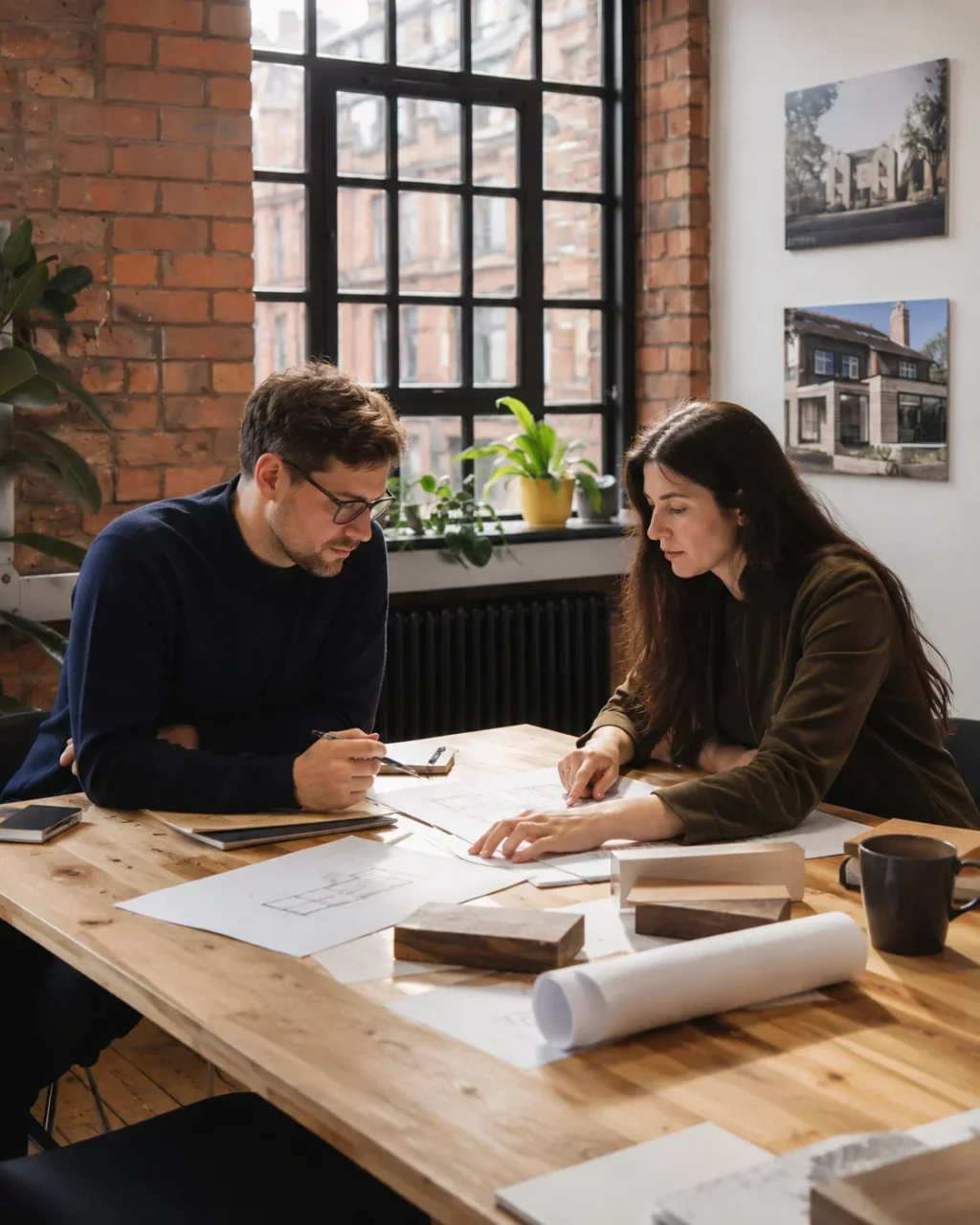
The way a building is positioned, how natural light moves through a space, the materials used and even the sequence in which people encounter different areas can all influence how a place feels. These decisions may appear simple in isolation, but together they create a much bigger impression.
Before a single line is drawn, understanding the wider context is essential. This means looking beyond the site boundary and considering the character of the surrounding area, its history, existing buildings, landscape and patterns of movement. A successful design should feel like it belongs to its location rather than simply occupying it.
For architects, this early research creates the foundation for everything that follows. It can reveal opportunities that may not be immediately obvious, whether that means opening up views, improving connections between existing spaces or using the orientation of the site to maximise daylight.
Every project brings its own set of challenges, but constraints can often become a source of creativity. Limited space, complex planning requirements or unusual site conditions can encourage new ideas and lead to solutions that are more distinctive than a completely blank canvas.
The most enduring buildings are those that feel inevitable — as though they have always belonged to the landscape and to the lives unfolding inside them.
Buildings are ultimately created to be used, so understanding the people who will spend time in them is central to the design process. A home needs to support everyday routines. A workplace needs to accommodate collaboration, concentration and flexibility. A public building needs to feel welcoming, easy to navigate and accessible to a wide range of users.
Small details can make a significant difference. The width of a doorway, the position of a window or the relationship between two rooms can change how naturally people move through a space. By considering these interactions from the outset, architecture can make everyday experiences feel simpler and more enjoyable.
Increasingly, flexibility is also becoming an important part of this thinking. The spaces we create today may need to serve different purposes in five, ten or twenty years. Designing buildings that can adapt over time can help extend their lifespan and reduce the need for major alterations in the future.


Material choices play a major role in defining the character of a building. Brick, timber, stone, concrete, glass and metal each bring their own texture, colour and sense of scale. Used carefully, materials can help a new building connect with its surroundings while still giving it a distinct identity.
Natural light has a powerful influence on how we experience architecture. It can make rooms feel more open, highlight particular materials and create subtle changes in atmosphere throughout the day.
Designing with daylight means thinking carefully about orientation, window placement, shading and the depth of internal spaces. Too little light can make an environment feel enclosed, while too much uncontrolled sunlight can lead to glare and overheating. Finding the right balance is an important part of creating comfortable interiors.
The relationship between indoor and outdoor spaces can be equally significant. Views towards gardens, courtyards, streets or landscapes help connect people with their surroundings and can make even compact spaces feel more generous.
Latest News
"*" indicates required fields


